Tabu by Dana — History, Scent Profile & Complete Review (Tabu Cologne, EDC Spray and Where to Buy)
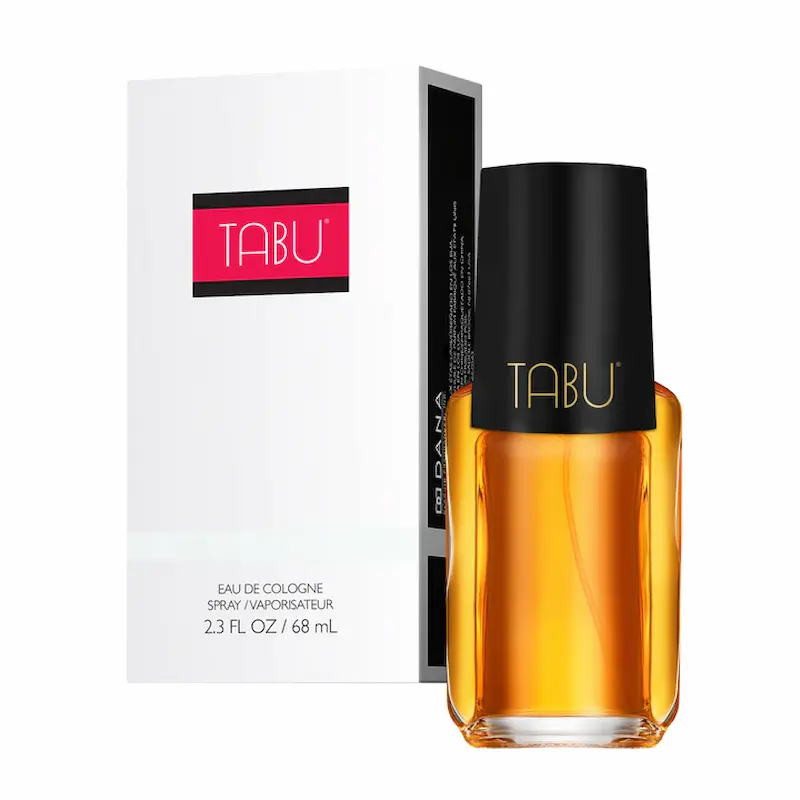
Table of Contents
Introduction
The name Tabu by Dana evokes mystery, sultriness and vintage glamour. As a fragrance that has stood the test of decades, the “fragrance Tabu” remains a touchstone of oriental perfume design. In this article we’ll explore the full story of Tabu — from its origins at the house of Dana, through its signature scent profile, the differences between vintage and modern versions, and how the current Tabu cologne and EDC spray forms compare. We’ll offer an objective Tabu perfume review and a “Recommended Purchase” section, and finally a comprehensive FAQ to answer common questions. Whether you’re a fan of classic fragrances or new to Tabu, this guide will help you determine if Tabu fragrance is right for you and how to buy it wisely.
Origins & History of Tabu
The house of Dana was founded in Barcelona (later headquartered in Paris) by Javier Serra. On August 22, 1932, Dana launched its first perfume, Tabu — created by French perfumer Jean Carles.
According to multiple sources, Dana’s brief to Carles was deliberately provocative: he was allegedly told to create “a perfume a prostitute would wear” (French original: un parfum de pute).
This bold marketing strategy, along with the heavy, oriental style of the composition, earned the name “the forbidden fragrance” in advertising campaigns.
Over the decades, Tabu established itself as one of the landmark oriental floral perfumes of the 20th century, influencing many later releases and becoming a collector’s item for vintage scent lovers.
In short: Tabu’s history is rooted in daring design, rich materials and a marketing story that positioned it outside the clean “laundry-sheet” mainstream of its era.
Fragrance Composition & Key Notes
Tabu’s olfactive composition is rich, layered and undeniably bold, which is why many refer to it simply as “Tabu fragrance.” According to major fragrance databases, the key notes are as follows:
- Top notes: spices, orange, bergamot, coriander, neroli.
- Heart (middle) notes: cloves (carnation-like), ylang-ylang, narcissus, jasmine, rose.
- Base notes: patchouli (reportedly ~10 % in the original formula), benzoin (vanilla-resin effect), civet (animalic note), sandalwood, oakmoss, vetiver, musk, amber.
What emerges is an accord that can be described as oriental floral with strong woody-resinous and animalic elements. One reviewer describes it as:
“…a viscous brew of maple syrup, patchouli, and incense. It is an odor that is almost tangible, like walking through a thick-napped velvet curtain.”
On first spray you may detect citrus and spice; quickly this shifts into a heart of warm cloves, florals and then a deep base of patchouli/resin/animalic musk which gives the “forbidden” signature. It is also described as “aggressive, spiced florals and powdered leather” by one community review.
Because of this richness, Tabu is clearly not a light, minimalist scent — the materials and structure reflect its 1930s origins and “boudoir” positioning.
Vintage vs Modern Reformulations
When writing a Tabu perfume review (or a “dana tabu review”) it is essential to distinguish between the vintage/classic versions of Tabu (from the 1930s through perhaps the 1970s) and the modern reformulations (post-1977 revival, and later EDC/EDT versions).
Key points:
- The original 1932 version used high concentrations of patchouli, civet and oakmoss.
- Tabu was reportedly discontinued in the 1970s and revived in 1977, then reformulated again around 2001 in a modern version.
- Many sources note that the vintage Tabu has deeper animalic/wood-resin character, while the modern version (especially EDC/EDT) is lighter, perhaps less “feral”. One community comment:
“It’s a tough fragrance to pull off, either ‘classic’ or ‘dated’ … In early formulas, the pine-oil (‘Pine-Sol’) note was less pronounced.”
- Because ingredient regulations (e.g., for oakmoss, civet) and cost pressures have changed over time, modern versions may feel somewhat different — though the marketing still uses the same name and vintage lineage.
Therefore, when discussing Tabu, the reading public should be aware: if you buy vintage Tabu you may experience the “classic beast” effect; if you buy a modern Tabu cologne or EDC spray, you may get a less intense version. That difference heavily impacts performance, character and collector vs daily-wear usability.
Tabu Concentrations & “Tabu EDC Spray / Tabu Cologne” Specifics
The term “Tabu by Dana EDC spray” (or eau de cologne, “tabu cologne”) refers to lighter strength versions of the fragrance suitable for more everyday use. Some relevant points:
- The original Tabu was launched as a perfume/extrait concentration and later as an eau de cologne version. For example, the vintage “Tabu Cologne” from the 1950s is documented as a strength with full oriental composition.
- Today you will find Tabu in various concentrations: Eau de Cologne, Eau de Toilette (EDT), and even modern EDC spray versions. For example, one retailer describes Dana Tabu Eau de Cologne Spray for Women as “a smooth fragrance with notes of bergamot, jasmine, amber musk, and much more.”
- When choosing between concentrations: the higher the concentration (e.g., parfum/extrait), the richer and longer-lasting the scent; the lighter concentrations (EDC/EDT) provide easier wear, lower projection and often lower cost. If someone says “tabu cologne”, expect a lighter variant; “tabu fragrance” or “dana tabu perfume” generically could refer to any strength.
- For modern wearers: a Tabu EDC spray offers a more approachable version, though with some compromise of the full vintage character. One reviewer of the modern version says:
“The current Tabu smells like spray-on root beer to me – sweet, thin, and fleeting.”
So if you’re considering purchasing, the choice of concentration is a key factor.
Performance: Longevity, Projection & Sillage
In any Tabu perfume review, performance is a major concern because Tabu is quite potent (especially the vintage version). Some observations:
- For vintage or higher-strength versions of Tabu (classic extrait or early 1950s cologne), users report very high longevity (8-12+ hours or more), strong projection and noticeable sillage. For example:
“It’s a boudoir perfume in the Grand Manner… Warm and resonant in its upper levels but positively feral down below and boy oh boy does it leave a long lasting trail.”
- For modern versions (EDC/EDT), the performance tends to be more moderate: less heavy animalics, lighter base, shorter projection, fewer hours of wear. As one reviewer wrote: “sweet, thin, and fleeting.”
- Because of its intensity, body chemistry and application matter. A heavy spritz may dominate; many recommend using sparingly, especially in close quarters or warmer weather. Reviews frequently mention Tabu as more suitable for evening or cooler months.
- In short: if you love strong oriental statements and vintage aura, Tabu (vintage) will deliver. If you prefer moderate daily wear, the modern EDC/EDT version is more practical though less “feral.”
When to Wear Tabu & Who It Suits
Given its characteristics, Tabu isn’t a “safe everyday office scent” for everyone. Here’s a breakdown of occasions and wearer profiles:
Suitable occasions:
- Evening events, dinners, nights out.
- Cooler weather (fall/winter) or air-conditioned environments where the scent can develop without being overwhelming.
- Retro/ vintage fragrance enthusiasts who want to make a statement.
Who it suits: - Women who appreciate bold orientals, patchouli, animalic notes and a strong personality in fragrance.
- Men who like to wear vintage oriental perfumes — though Tabu was marketed historically for women, many wearers across genders appreciate the richness and attitude. One review mentions “Tabu is actually quite good on a man as well.”
Less suitable if: - You prefer fresh, sporty, minimalist or unobtrusive scents.
- You need a lighter scent for hot, humid climates or close-quarters work/business settings.
In short, Tabu is for wearers who want character, depth and statement rather than subtle background scent.
Comparison: Tabu vs Similar Classics
To contextualize Tabu fragrance among classic orientals, here are some comparisons:
- Compared with Estée Lauder Youth Dew (1951): Youth Dew is another early oriental/amber women’s fragrance; while it has rich warm woody amber notes, many find it less animalic and more gourmand-sweet than Tabu.
- Compared with Chanel No. 5: No. 5 is more abstract floral aldehyde, lighter in comparison and far less heavy on the patchouli/animalic base.
- Compared with Coty Emeraude (1960s): Coty Emeraude is still bold but less dense in resins/animalics and more “dated glamorous” than outright fetish-style orientals.
What gives Tabu its unique edge: the high patchouli + civet/animalic/resin combination in an era when that was rare. That said, some wearers see a drawback: the heaviness may feel “dated” or too intense for modern tastes. A review comment:
“Tabu smells cheap and nasty. Over-powering… like something you would wear if you couldn’t afford a proper fragrance.”
Thus Tabu’s strength is also its weakness — intended for boldness, and may not suit all tastes or eras.
Objective Tabu Perfume Review & Verdict
Here is a summary of pros and cons based on multiple sources and community feedback, to form a balanced “tabu perfume review” or “dana tabu review”.
Pros:
- Strong, character-filled scent with a unique vintage oriental profile rarely found today.
- Excellent if you want presence, nostalgia, bold identity — regarded by many as iconic. (e.g., “delightfully rich… deserves to be tested for its beauty.”)
- Affordable entry into classic perfumery (modern versions tend to be reasonably priced).
- Collectible appeal — for vintage lovers the earlier versions are treasure.
Cons:
- The scent can be oppressive or “old-lady” or dated to some wearers — reviews vary widely, some very negative.
- Modern reformulations may lack some of the depth, animalic punch or complexity of original versions — you may be paying for a name rather than full legacy.
- Strong projection may not suit all environments or everyday use.
- Because of its age/style, it might not align with modern “fresh” or minimalist fragrance trends.
Verdict:
If you’re drawn to classic oriental perfumes, rich woods and resins, patchouli and a “forbidden” mystique, then Tabu by Dana is a worthwhile addition. It may not be for everyone — especially if you prefer subtlety or ultra-modern aquatic/clean scents — but it stands out. For everyday wear in modern contexts, the EDC/EDT version is more wearable though not quite as feral as the vintage version. In either case, evaluate your personal body chemistry, application style and occasion before indulging.
In other words: Tabu is a statement fragrance. Wear it if you’re ready for the statement.
Recommended Purchase
If you’ve decided you’d like to purchase Tabu, here’s how to make an informed decision:
1. Choose concentration & version
- If you want the vintage/classic experience (richest formulation), look for older bottles (pre-1980s) marked as “Tabu Eau de Cologne” or original extrait. These may come at higher cost and require collection-care (storage, authenticity check).
- If you want daily wearability and a modern release, opt for “Tabu EDC spray” or the current version marketed for women. Example product:
Tabu by Dana 3.9 oz Eau de Toilette Spray - Always check bottle condition, batch number, seller reliability (especially for vintage).
2. Where to buy
- Sample before buying large size (if possible). Many vintage fragrance lovers recommend decants or samples to verify personal compatibility.
- Beware of extremely cheap listings that may be reformulations or not properly stored.
3. My recommendation
Ready to discover Tabu? Click here to purchase [Amazon] — available in EDC spray format for modern everyday wear.
Seeking the vintage beast? Click here to explore earlier editions of Tabu by Dana.
Make sure to review seller ratings and verify batch numbers.
4. Usage tips
- Spray one or two modest bursts at pulse points (neck, cleavage) rather than drenching — especially for original rich versions.
- Let it dry down before judging it — Tabu’s opening can be powerful.
- For vintage bottles: check colour, fluid level, cap condition and storage history (cool, dark).
FAQ
Below are answers to some of the most frequently asked questions about Tabu by Dana.
1. What does Tabu smell like?
Tabu opens with citrus and spices (bergamot, coriander, neroli) then evolves into cloves, jasmine, rose and ylang-ylang in the heart, and finishes with heavy patchouli, benzoin, civet, amber, musks and woods. Many vintage wearers describe it as “maple-syrup plus incense plus patchouli”.
2. Is Tabu discontinued or still made?
Tabu’s original version (1932) was at one point discontinued and then revived in 1977, with later reformulations. Modern versions (EDC/EDT) under the Dana brand are still available.
3. Is Tabu suitable for men?
Although historically marketed for women, many men who appreciate rich orientals wear Tabu. One reviewer says: “Tabu is actually quite good on a man as well.” If you like bold, woody-resinous scents, it may suit you regardless of gender.
4. How long does Tabu last?
For vintage/high-strength versions: many users report 8+ hours, strong projection and long sillage. For modern EDC versions: longevity is more moderate (perhaps 4-6 hours) and projection less heavy. One review called the modern version “sweet, thin, and fleeting.”
5. How can I test Tabu before buying?
If possible: request a decant or sample of your preferred version (vintage or modern). Wear it through a full evening to see how it develops on your skin — note that Tabu’s best facets appear after dry-down. Check for compatibility with your body chemistry (particularly in terms of strength and projection).
6. Vintage vs reformulated — which should I choose?
If you are a collector or want the full original experience, seek a vintage version (pre-1980s) knowing it may cost more and may not be stored ideally. If you want everyday wear with convenience and lower cost, a modern EDC/EDT version is more practical. Many reviews suggest vintage Tabu is deeper and richer, while modern versions are more accessible but less intense.
Conclusion
Dana’s Tabu remains a landmark in the perfume world: bold, richly composed and evocative of a bygone era of glamour and daring. Whether you refer to it as Tabu fragrance, Tabu cologne, or simply “Tabu,” its character is unmistakable. If you appreciate full-bodied orientals with patchouli, resins and animalic depth, it will reward you. If you prefer lighter, cleaner scents, you may want to sample first or consider the lighter EDC/EDT version. In either case, the “dana tabu perfume” story adds resonance to the experience. Use the buying guide above to choose your version wisely, and test it thoroughly. With the right wearer and occasion, Tabu can still make a powerful statement.